


Minimizing aircraft takeoff weight has always been the ultimate benchmark in aviation engineering. At the dawn of aviation in the early 20th century, aircraft were crafted primarily from wood, plywood, and fabric skins. While these structures featured low gross weight, they offered limited structural strength. By the 1930s, the era of all-metal airframes took hold. These robust aircraft were significantly heavier, and this fundamental shift in raw materials brought increased takeoff weight along with complex engineering challenges — paving the way for advanced methodologies in structural analysis, testing, and quality inspection.
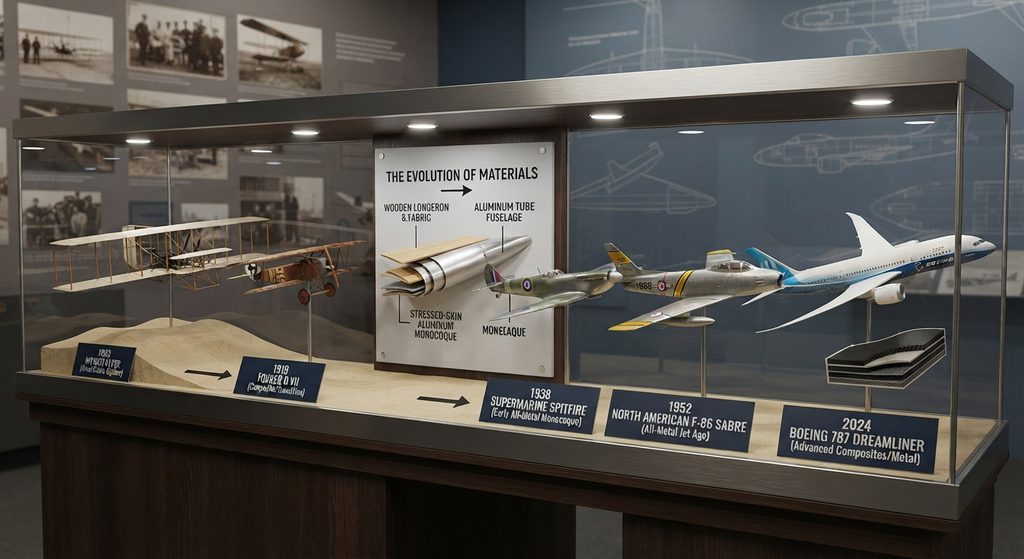
Today, modern aerospace engineers have access to high-performance metallic alloys, but physical limitations remain. As technology evolved, the emergence of unmanned aerial systems created a demand for smaller, lightweight, yet durable aircraft. This shift catalyzed the development and active integration of advanced composite and polymer components.
What appears to be a straightforward part substitution actually represents an engineering change that has redefined quality control and structural testing. Modern UAV designers constantly pursue the optimal balance: shedding unnecessary mass without compromising structural integrity or operational lifespan. The solution lies in the precise, systematic integration of composites, aluminum alloys, and advanced polymers within a unified airframe architecture.
The Myth of the “Ideal Material”
Designing a drone airframe entirely from a single material is an engineering impossibility, as different UAV structural nodes experience vastly different stress vectors. For example, motor arms require minimal mass combined with high flexural rigidity. Conversely, structural joints, folding hinges, and mounting points demand exceptional local yield strength, wear resistance, and long-term durability under cyclic fatigue.
Field data and failure mode analysis consistently highlight a critical lesson: designing purely for peak ultimate static loads is a dangerous oversight. Most structural failures in the field stem not from a single catastrophic impact, but rather from material fatigue, stress concentrations, and high-frequency harmonic vibrations generated by propulsion systems. Consequently, a component that easily passes static load testing still requires rigorous evaluation under sustained, high-vibration operational conditions.
UAV Structural Breakdown: Load-Driven Material Selection
In Ukrainian unmanned platforms — such as the SHMAVIK micro-reconnaissance drone and the heavy-lift tactical strike systems KAZHAN 620 and KAZHAN 630 — material selection is strictly tailored to the specific mechanical role of each subsystem.
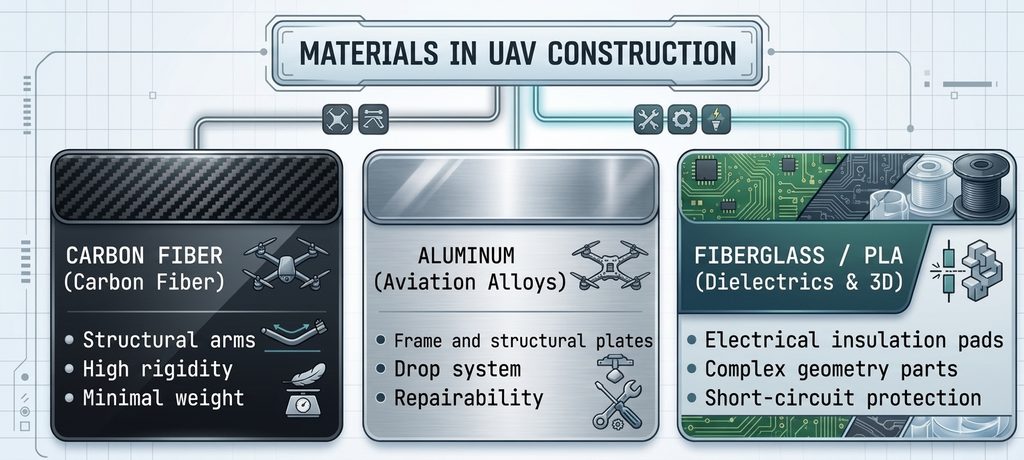
1. Carbon Fiber Composites — Rigidity and Minimal Mass
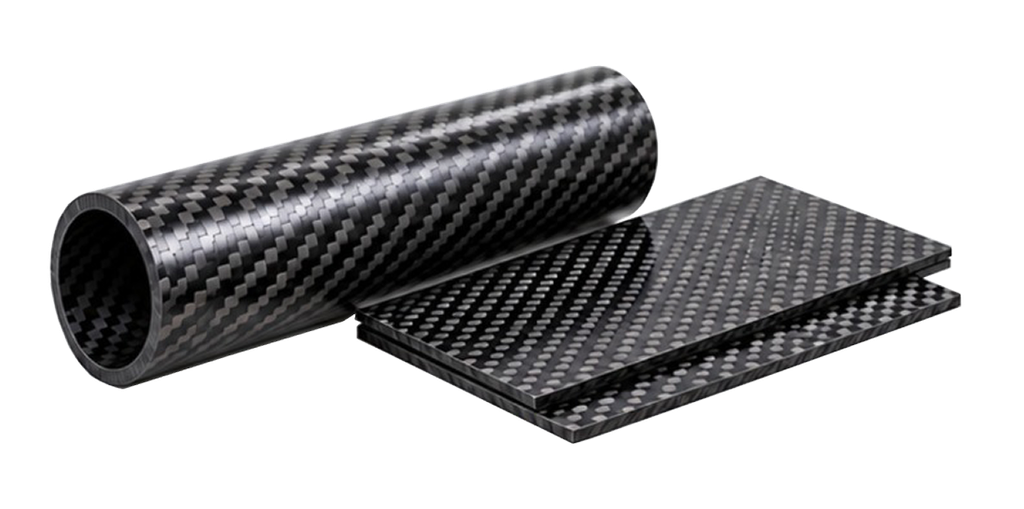
Carbon-based composites are the indisputable gold standard for motor arm construction. CFRP combines maximum flexural rigidity and ultimate tensile strength with minimal weight — properties that directly enhance flight dynamics, control authority, and endurance. However, carbon fiber carries a distinct drawback: severe mechanical impacts can induce internal delamination that remains virtually invisible during routine visual inspections.
2. Aviation-Grade Aluminum Alloys — Strength and Field Reparability
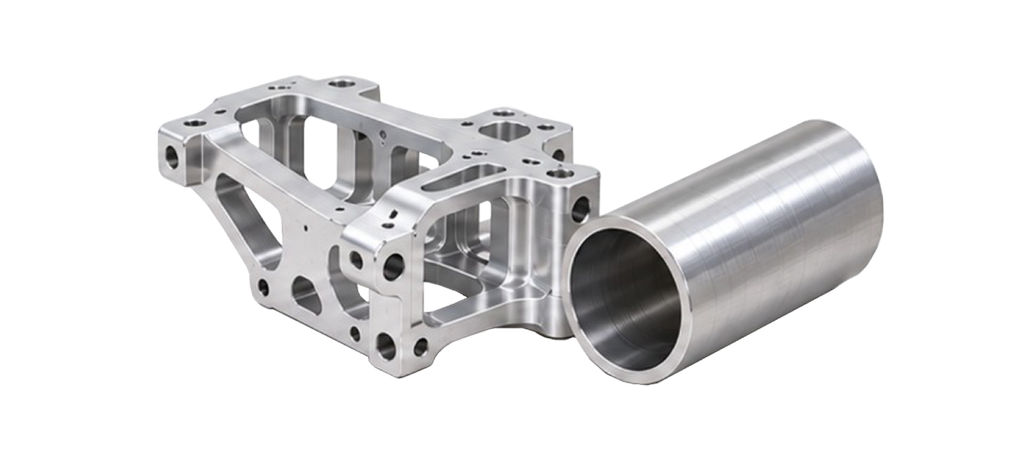
Aluminum remains the structural backbone for airframe components subjected to complex multi-axial loads. In the KAZHAN 620 and KAZHAN 630 architectures, aviation aluminum alloys form the primary load-bearing chassis, landing gear, payload drop mechanisms, and mounting brackets. Aluminum machines with exceptional precision, boasts an excellent strength-to-weight ratio, and — crucially in field operations — ensures components are easily serviced, repaired, or swapped.
3. Structural Steel — Localized High-Wear Resistance
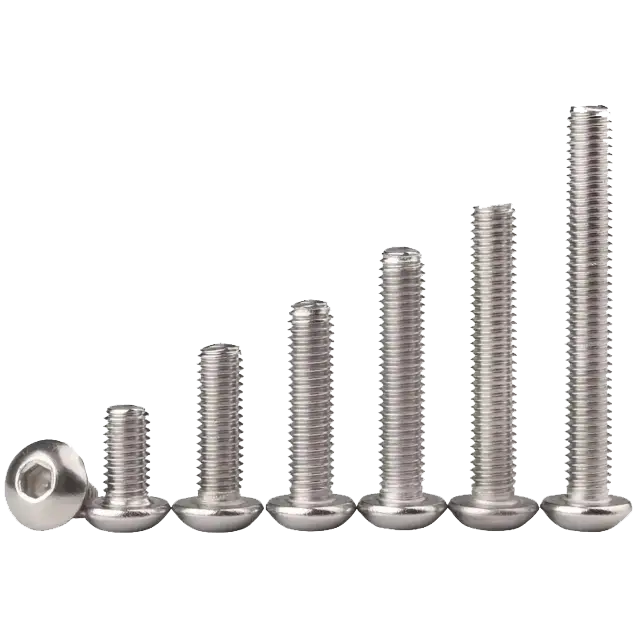
The application of steel is strictly constrained by its high density. It is utilized exclusively in compact, high-stress hardware — such as folding hinges, tube clamps, heavy-load axles, and locking mechanisms — where extreme shear strength and abrasion resistance are essential.
4. Fiberglass and Glass-Textolite — Dielectric Isolation
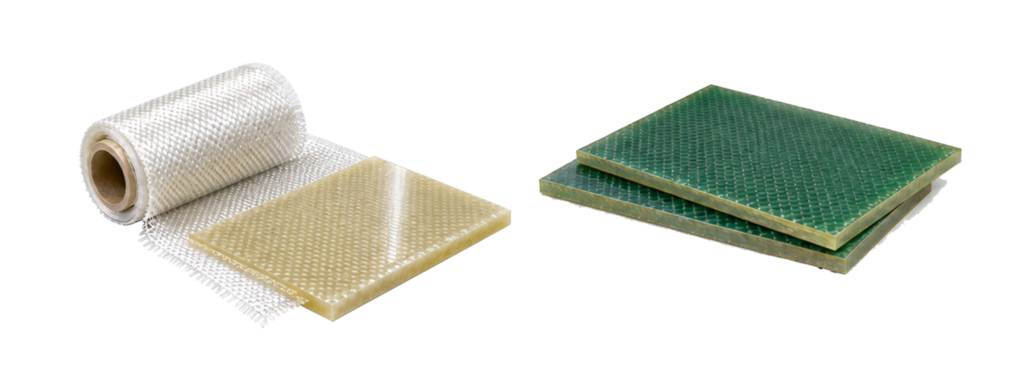
While fiberglass lacks the raw flexural rigidity of carbon fiber, it offers a vital electrical advantage: it is non-conductive. In both the SHMAVIK micro-reconnaissance platform and the KAZHAN bomber series, glass-textolite acts as an insulating dielectric barrier between metallic structural elements and onboard electronics, completely eliminating short-circuit risks under frame vibration or structural flexure.
5. Thermoplastics (3D Printing: PLA, PETG; Injection Molding)
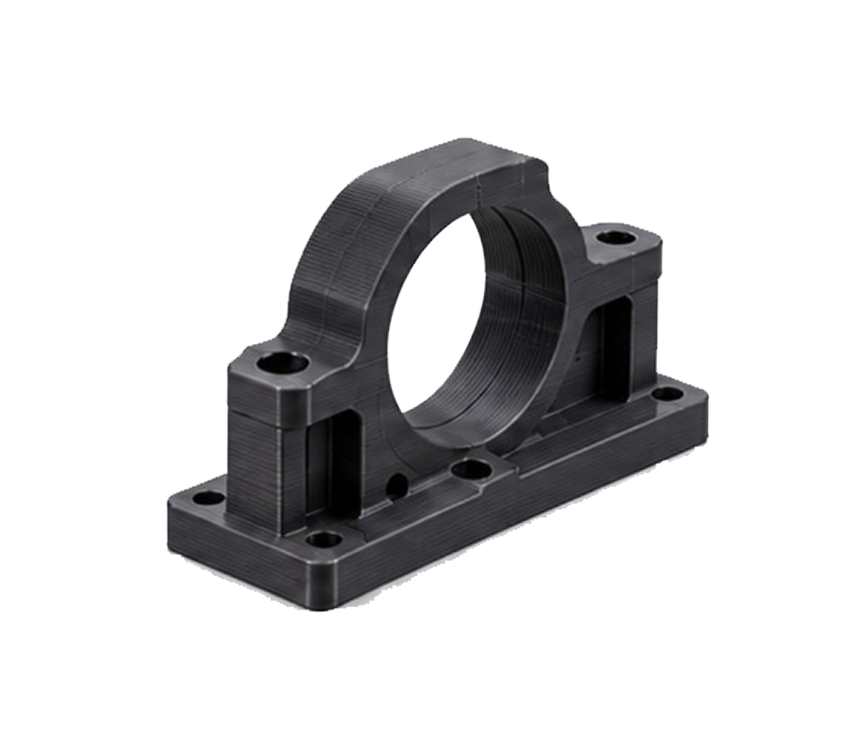
Additive manufacturing is widely deployed for complex geometries where traditional CNC milling is impractical or cost-prohibitive. This includes protective electronics fairings, antenna mounting brackets, aerodynamic cowlings, and custom wire-routing retainers. 3D printing has greatly simplified polymer integration in aircraft, enabling rapid production of intricate custom geometries at accessible costs. Meanwhile, traditional plastic injection molding remains actively used for high-volume, standardized structural parts.
Critical Joints and Engineering Trade-Offs
Engineering experience confirms that the most vulnerable regions of any UAV airframe are fastener holes, arm clamps, and pivot hinges. Stress concentrators naturally accumulate in these areas, where motor-induced vibrations accelerate material fatigue over time.
Consequently, material selection is always a multi-variable optimization process balancing component geometry, mass, vibration dampening characteristics, and production costs. Building an entire aircraft out of the most expensive composite is an engineering fallacy; the true mark of optimal design lies in creating a unified architecture where every material operates within its ideal performance domain throughout the platform’s full operational lifespan.