


Most likely, you have dreamed to be able to fly, at least once in your life. Nature offers countless examples of flight, and almost all of them rely on wings. For centuries, the concept of flight was bound exclusively to the fixed-wing aerodynamic scheme, where wingspan, runway acceleration, and smooth airborne motion are the defining factors.
There is another concept existed alongside it: rotary flight. Leonardo da Vinci himself conceptualized an early vertical-flight machine—an idea that took centuries to realize. In the realm of unmanned aerial systems, the multirotor concept was explored early on, but bringing it to life proved difficult due to a host of engineering bottlenecks. Progress, however, never stands still. The advent of relatively lightweight electric motors and advanced battery technologies changed everything, making these aircraft capable of stable flight and useful payload operations.
Rotary-wing copters now dominate the skies. They are deployed across diverse industries—from aerial photography to battlefield reconnaissance. These technologies received a massive surge in development following the onset of Russia’s full-scale aggression against Ukraine, when rapid innovation was needed to secure battlefield superiority. This imperative transformed multirotor systems into the primary technological capability of the 21st century.
Wings vs. Propellers: The Fundamental Physics of Flight
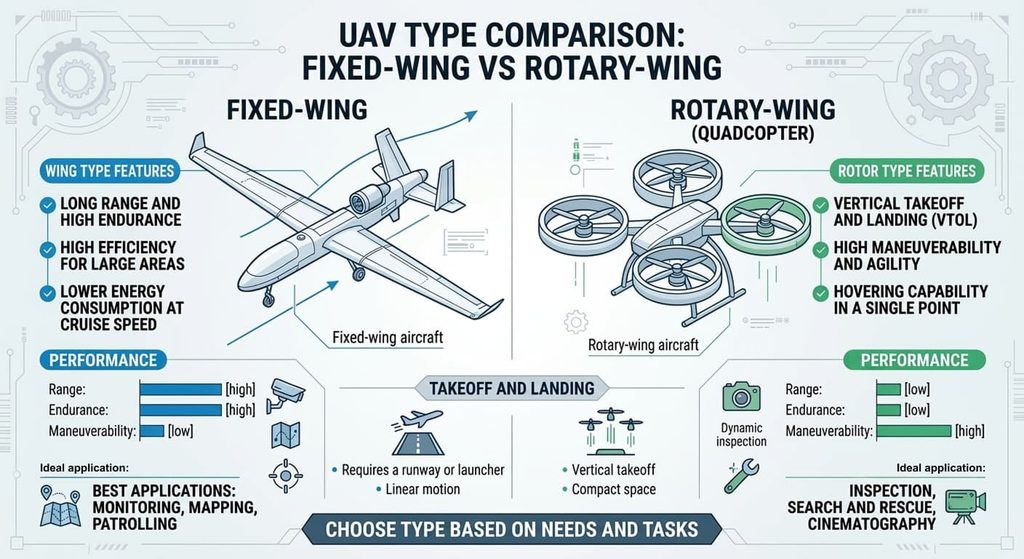
To understand the advantage of rotary systems, it helps to examine the fundamental differences between the two main classes of aircraft:
1. Fixed-Wing Aircraft:
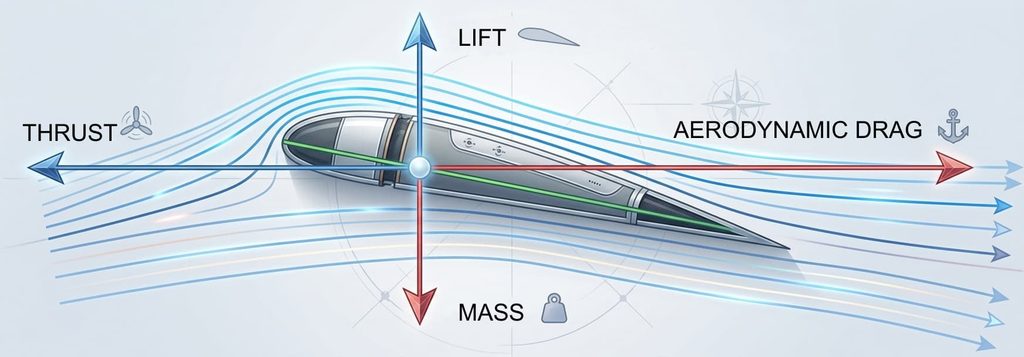
These platforms generate lift primarily via an airfoil (wing profile) as airflow passes over it. To stay airborne, they require continuous forward motion at or above a specific stall speed—a figure unique to each airframe. Fixed-wing aircraft excel at covering long distances efficiently. However, they come with trade-offs: they require a runway or catapult system for launch and landing, and they cannot hover in place.
2. Multirotor Aircraft:
The classic example of rotary flight is the helicopter, which relies on complex swashplate mechanics, intricate flight controls, and heavy structural engineering—factors that drive up costs. In contrast, multirotor drones generate lift using fixed-pitch rotor blades, decoupling lift generation from the aircraft’s forward speed. A copter can hover at a precise point in midair and launch or land vertically. It requires only a small flat surface rather than an extensive runway or specialized catapult. Furthermore, these platforms can maneuver instantly in any direction, changing speed and trajectory on a dime.
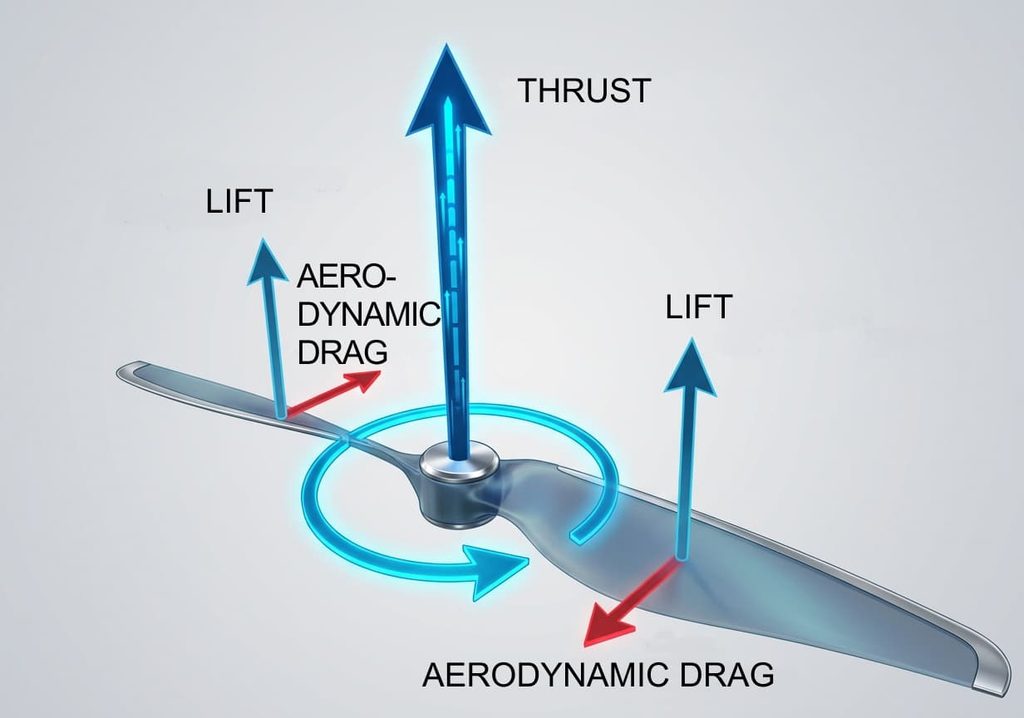
Multirotor Anatomy and System Architecture
A multirotor’s classification is determined by its number of axes and motor configuration. Engineers choose the drone’s architecture at the very start of the design process, balancing payload capacity, redundancy, and overall physical footprint.
Here are the primary structural configurations:
– 3-Axis (Tricopters): A rare configuration that often uses coaxial motor pairs (two motors per axis).
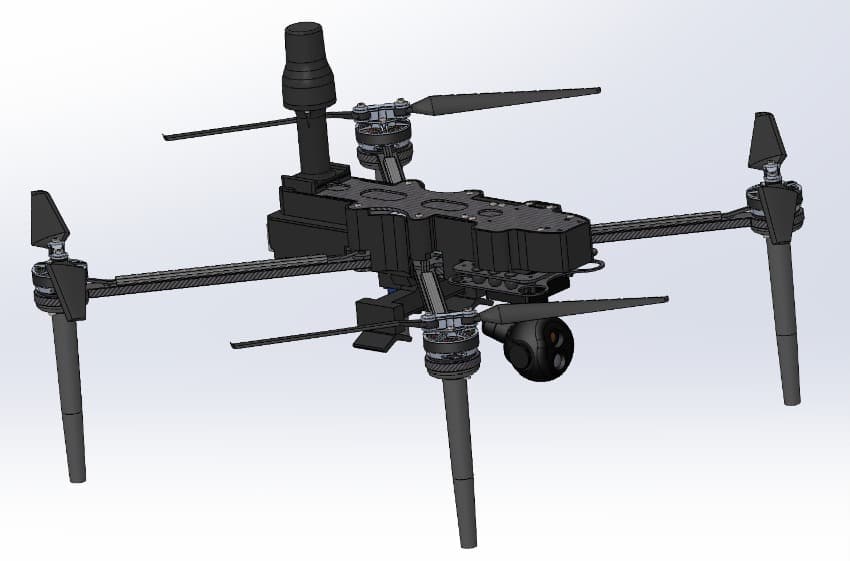
– 4-Axis (Quadcopters): The most popular and efficient design today. These can feature either four single motors (one per arm) or coaxial setups (such as X8 configurations with eight motors across four arms).
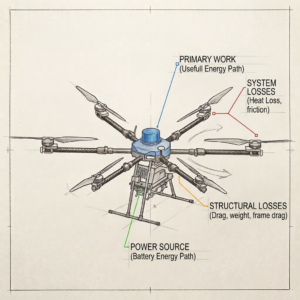
– 6-Axis (Hexacopters): Offer enhanced wind resistance and high operational redundancy. Even if one of the six motors fails, the platform can perform an emergency landing.
– 8-Axis (Octocopters): Heavy-duty systems built to carry the heaviest payloads.
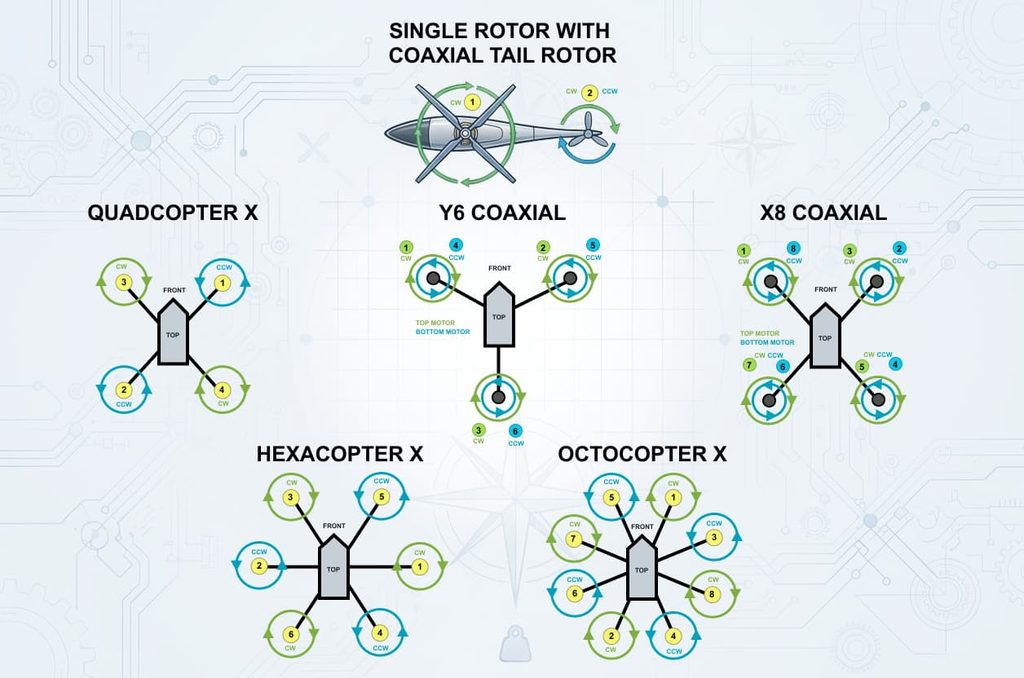
The final configuration of a drone is established during the Research & Development (R&D) stage. Engineers first define the operational requirements, target flight time, and payload weight. Based on those specs, developers determine the frame materials, propulsion system, axis count, and motor allocation per arm.
From Land Surveying to Defense Tech
Many manufacturers staked their future on rotary systems. In Ukraine, Reactive Drones was among the pioneer developers in this space.
Initially, the company focused entirely on commercial applications—ranging from land surveying and precision agriculture to crop protection spraying and farm monitoring.
However, the full-scale invasion forced drastic adjustments in drone technology and manufacturing processes. In a matter of months, commercial solutions were adapted to meet defense requirements, leveraging existing engineering expertise and production baselines.
Today, the flagship quadcopters and hexacopters operating in Ukrainian skies include:
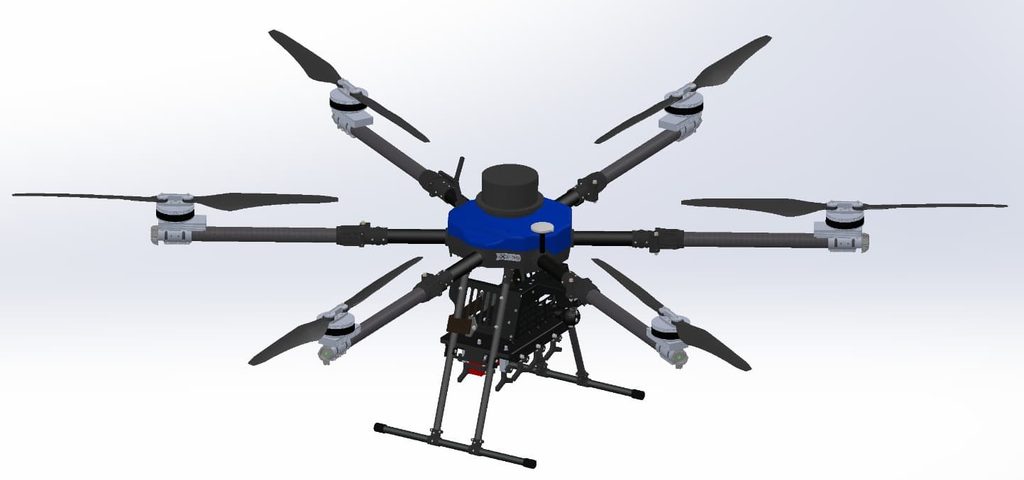
KAZHAN 630 Hexacopter (BAT 630):
A heavy-duty 6-axis platform built for high payload capacity, delivering reliable performance on critical, complex missions.
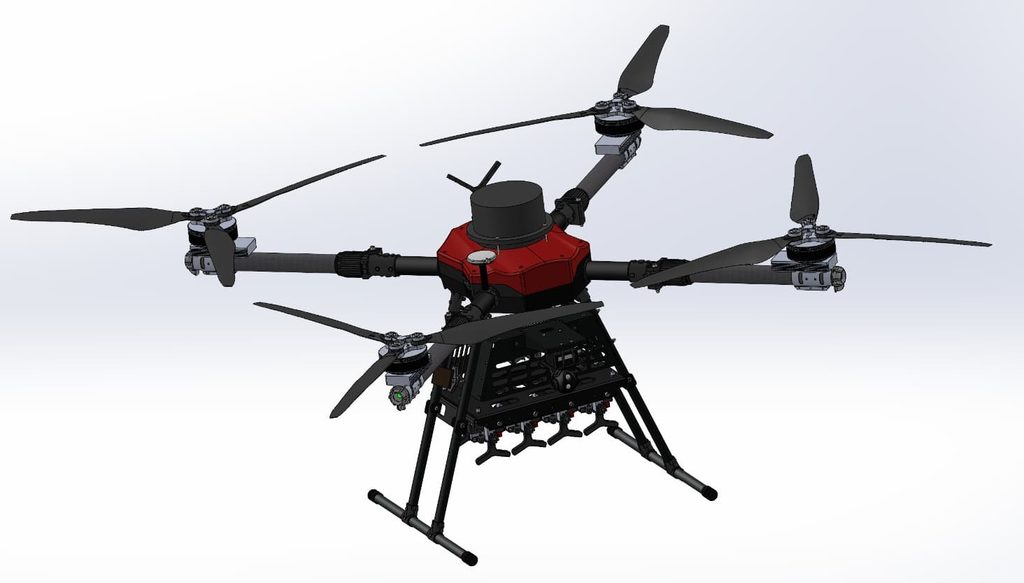
KAZHAN 620 Quadcopter (BAT 620):
A balanced 4-axis UAV combining high speed, operational range, and optimized energy efficiency.
SHMAVIK Quadcopter:
An advanced, EW-resistant reconnaissance UAV that serves as a dependable domestic alternative to imported commercial drones.
Both defense and commercial sectors favor rotary-wing drones because they have proven their versatility. Today, they are essential instruments for national defense; tomorrow, these same technologies will demonstrate their value during peaceful reconstruction.